


Premium Cold Press Juicer Australia – Easy, Quiet & Efficient Juicing

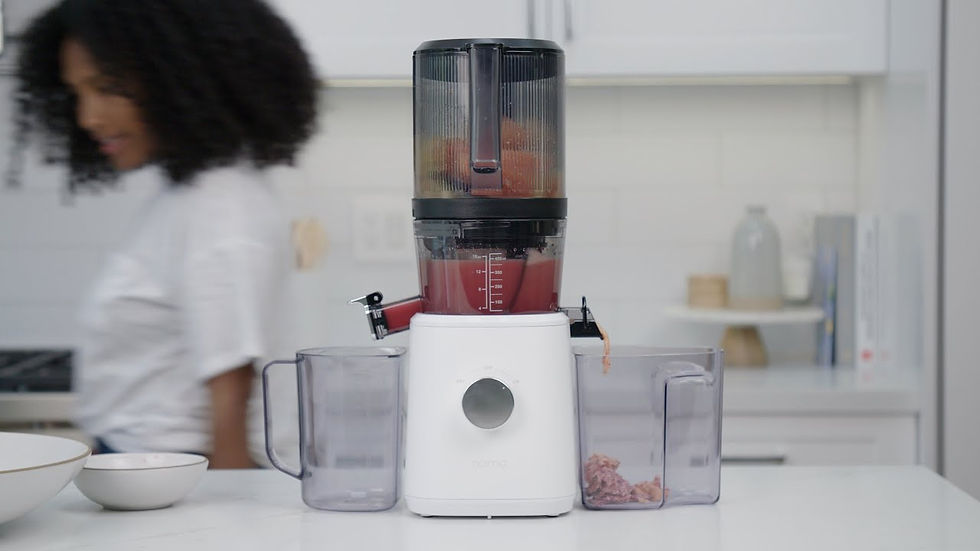
Ever wondered why your morning juice never tastes quite as vibrant as the ones from that fancy juice bar down the road? Have you noticed how quickly your homemade juice seems to lose its freshness? And what about that ear-splitting noise from your current juicer that wakes up the entire household?
If these questions sound familiar, you're not alone. Thousands of Australians are making the switch to cold press juicers, and for good reason. These clever machines are transforming the way we think about fresh juice at home. Gone are the days of settling for watered-down, oxidised juice that tastes nothing like the real thing.
In this guide, we'll explore everything you need to know about premium cold press juicers in Australia. From understanding how they work to finding the perfect model for your kitchen, we've got you covered. You'll discover why cold press technology delivers superior juice quality, learn what features matter most when shopping, and pick up some handy tips for getting started. Whether you're a health enthusiast looking to maximise nutrients or simply someone who wants better-tasting juice without the noise, keep reading to find your perfect match.
What Is a Cold Press Juicer and How Does It Work?
A cold press juicer, also known as a masticating or slow juicer, uses a completely different approach to extracting juice compared to traditional machines. Instead of spinning at high speeds, it uses a rotating auger to slowly crush and press fruits and vegetables against a screen. This gentle process squeezes out every last drop of juice without generating the heat that destroys precious nutrients.
Cold Press vs Centrifugal Juicers: What's the Difference?
Centrifugal juicers work by spinning produce at incredibly high speeds—sometimes up to 15,000 RPM. This creates friction and heat, which can degrade vitamins and enzymes almost immediately. Cold press juicers, on the other hand, operate at around 40-80 RPM. The difference is massive.
Think of it like this: a centrifugal juicer is like throwing your fruit into a blender, while a cold press juicer gently squeezes it like you would a lemon by hand. The slower method preserves the integrity of your ingredients and produces a noticeably smoother, richer juice.
Why Does Cold Press Juicing Preserve More Nutrients?
Heat is the enemy of nutrients. When produce is exposed to high temperatures during juicing, vitamins like C and B-complex begin breaking down almost instantly. The slow crushing action of cold press juicers minimises heat generation and reduces oxidation. This means more vitamins, minerals, and live enzymes make it into your glass. Studies suggest cold pressed juice can retain up to 60% more nutrients than centrifugally extracted juice.
Benefits of Owning a Premium Cold Press Juicer
Investing in a quality cold press juicer brings multiple advantages that go beyond just better-tasting juice. Let's break down what makes these machines worth considering.
Superior Juice Quality and Taste
The first thing you'll notice is the difference in taste. Cold pressed juice is smoother, richer, and more flavourful. There’re less foam and separation, giving you a premium juice bar experience right in your own kitchen. The colours are more vibrant too, which makes drinking your greens far more appealing.
Quiet Operation for Peaceful Morning Routines
Nobody wants to wake the kids—or the neighbours—at 6 AM. Premium cold press juicers operate at whisper-quiet levels, typically producing less than 60 decibels of noise. That's quieter than a normal conversation. You can make your morning juice without disrupting anyone's sleep.
Maximum Yield with Minimal Waste
Because cold press juicers extract juice so thoroughly, you'll get significantly more liquid from the same amount of produce. The leftover pulp comes out incredibly dry, proving just how efficient these machines are. Over time, this means real savings on your fruit and veg shopping.
Longer Shelf Life for Fresh Juice
Cold pressed juice stays fresh for up to 72 hours when stored properly in the fridge. Compare this to centrifugal juice, which starts degrading within 15-30 minutes. This makes meal prepping much easier—you can juice in bulk and enjoy fresh drinks throughout the week.

What Should I Look for When Buying a Cold Press Juicer in Australia?
Choosing the right juicer requires considering several key factors. Here's what matters most for Australian buyers.
Motor Power and Efficiency
Look for a motor that's powerful enough to handle hard vegetables like carrots and beetroot without straining. A good cold press juicer should have at least 150-200 watts of power. More important than raw wattage is the torque—a high-torque motor will push through tough produce without jamming.
Ease of Use and Assembly
The best juicer is one you'll actually use. Look for models with simple assembly—ideally no more than 4-5 parts. Wide feed chutes are a bonus, reducing the need for excessive chopping beforehand. Some premium models can handle whole apples and oranges.
Cleaning and Maintenance
Let's be honest cleaning can make or break your juicing habit. Opt for juicers with dishwasher-safe parts and included cleaning brushes. The fewer crevices and corners, the easier your cleanup will be.
Warranty and Australian Customer Support
Always check for local warranty coverage and Australian-based customer support. Premium brands typically offer 10–15-year warranties on motors and 2-5 years on parts. Having local support means faster help if something goes wrong.
Is a Cold Press Juicer Worth the Investment?
This is the big question, isn't it? Let's look at the numbers and long-term benefits.
Cost Per Juice: Breaking Down the Savings
A single cold pressed juice from a café costs $8-12. Making your own at home costs roughly $2-4 per serve, depending on ingredients. If you're drinking just one juice daily, that's savings of around $150-250 per month. Most premium juicers pay for themselves within 3-6 months.
Health Benefits That Pay Off Long-Term
Beyond financial savings, the health benefits are substantial. Regular consumption of fresh, nutrient-dense juice supports immunity, digestion, and energy levels. Many users report clearer skin, better sleep, and improved overall wellbeing. These benefits are hard to put a price on.
Best Cold Press Juicer for Australian Households
Finding the right fit for your home means considering your specific circumstances and lifestyle.
Features That Suit the Australian Lifestyle
Australian households often prioritise reliability in varying temperatures and the ability to juice local produce like mangoes, citrus, and leafy greens. Look for juicers with versatile settings that can handle everything from soft stone fruits to fibrous celery with ease.
Compact Designs for Smaller Kitchens
Not everyone has sprawling kitchen benchtops. Many premium cold press juicers now feature vertical designs that take up minimal counter space—perfect for apartments and smaller homes common in Sydney, Melbourne, and other urban areas.
How to Use a Cold Press Juicer: Tips for Beginners
Getting started is easier than you might think. Here are some pointers to help you hit the ground running.
Best Fruits and Vegetables for Cold Press Juicing
Start with classics like apples, carrots, celery, cucumber, and ginger. These produce excellent juice and are widely available. Once you're comfortable, experiment with leafy greens like kale and spinach—cold press juicers handle these brilliantly, unlike centrifugal models.
Common Mistakes to Avoid
Don't overload the feed chute—patience produces better results. Always alternate between soft and hard produce to help push everything through. And remember to cut larger items into manageable pieces, even if your juicer has a wide chute.
Are Cold Press Juicers Really Quieter Than Other Juicers?
Absolutely. While centrifugal juicers can reach 80-90 decibels (similar to a lawn mower), cold press juicers typically operate at 40-60 decibels. That's the difference between needing to shout over your juicer and being able to have a normal chat while making breakfast.
How Long Does Juice Last from a Cold Press Juicer?
Properly stored in an airtight container in the fridge, cold pressed juice stays fresh for 48-72 hours. For best results, fill your container to the brim to minimise air exposure and consume within 24 hours for maximum nutritional benefit.
Where to Buy a Premium Cold Press Juicer in Australia
You'll find quality cold press juicer through authorised Australian retailers, both online and in-store. Major appliance stores stock popular brands, while specialist health and kitchen retailers often carry premium models. Always purchase from authorised sellers to ensure full warranty coverage.
Start Your Juicing Journey Today
Cold press juicing represents a genuine upgrade in how Australians can enjoy fresh, nutritious juice at home. From superior taste and nutrient retention to quiet operation and impressive efficiency, the benefits speak for themselves. These machines deliver café-quality results without the café prices.
The initial investment might seem significant, but when you consider the savings on store-bought juices and the long-term health benefits, a premium cold press juicer makes solid financial sense. Plus, there's something deeply satisfying about creating vibrant, delicious juice from scratch in your own kitchen.
Whether you're chasing better health, looking to save money, or simply want tastier juice without waking the household, a cold press juicer could be exactly what you need. Take your time researching models, consider your specific needs, and choose a machine that fits your lifestyle. Your body—and your taste buds—will thank you for making the switch.


Comments