


Why Are More Businesses Choosing Commercial Solar Solutions?
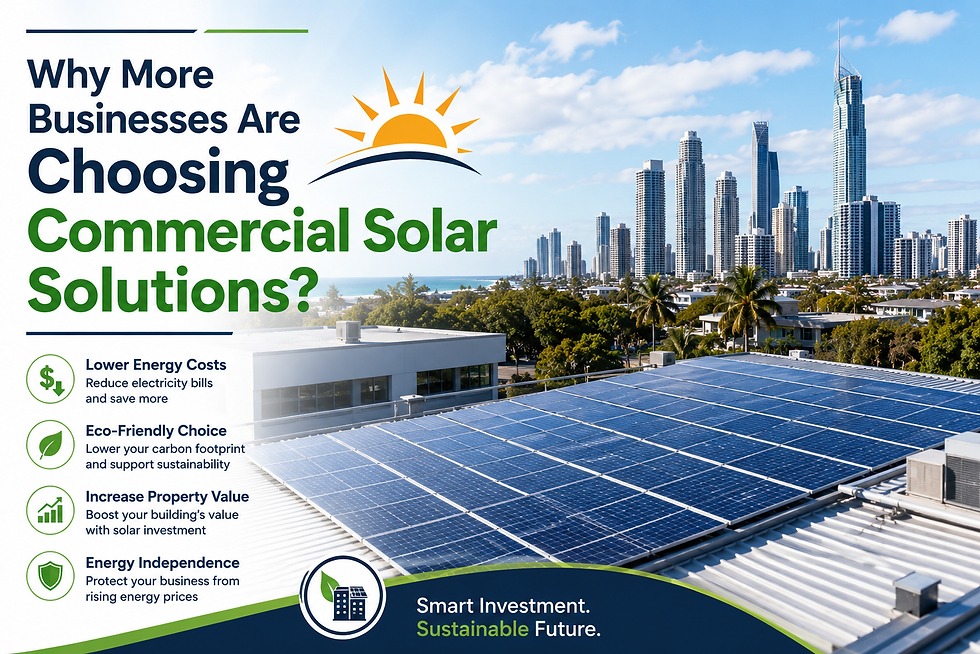
Have you noticed how many Australian warehouses, office buildings, and factories now sport gleaming solar panels on their rooftops? Are you wondering whether your business should join the growing wave of companies making the switch to clean energy? What's driving this massive shift, and could commercial solar actually make financial sense for your organisation?
The truth is, Australian businesses are waking up to a simple reality: electricity costs keep climbing, and solar technology has never been more affordable or efficient. From small retail shops to sprawling manufacturing plants, companies across the country are discovering that commercial solar Gold Coast isn't just good for the planet—it's brilliant for the bottom line too.
What Are Commercial Solar Solutions?
Commercial solar solutions are energy systems designed specifically for businesses, ranging from small enterprises to large industrial operations. Unlike residential setups, these systems are engineered to handle significantly higher energy demands and often involve more complex installation requirements.
Why Are Businesses Switching to Solar Energy?
Rising Electricity Costs and Energy Independence
Let's face it—electricity prices in Australia have been climbing steadily, and businesses are feeling the pinch. For energy-intensive operations, power bills can represent one of the largest ongoing expenses. Solar offers a pathway to energy independence, reducing reliance on grid electricity and protecting against future price increases. Once your system is installed, you're essentially generating free electricity from sunlight.
Government Incentives and Rebates for Commercial Solar
The Australian government offers substantial incentives through the Small-scale Renewable Energy Scheme, which provides certificates that can significantly reduce upfront costs. Many state governments offer additional rebates and grants specifically for commercial installations. These incentives won't last forever, making now an ideal time to invest.
Meeting Sustainability Goals and Corporate Responsibility
Modern consumers increasingly prefer doing business with environmentally conscious companies. Going solar demonstrates genuine commitment to sustainability, helping you attract eco-minded customers and talented employees who want to work for responsible organisations. It's a powerful statement that resonates with today's values.
Is Commercial Solar Worth the Investment
Understanding the Return on Investment for Solar Panels
When evaluating any business investment, ROI matters most. Commercial solar typically delivers returns between 15% and 30% annually—substantially better than most traditional investments. The key factors influencing your return include your current electricity rates, energy consumption patterns, system size, and available sunlight at your location.
How Long Does It Take for Commercial Solar to Pay for Itself?
Most Australian businesses see their commercial solar systems pay for themselves within three to seven years. After that payback period, you're essentially enjoying free electricity for the remaining 20+ years of the system's lifespan. That's decades of reduced operating costs flowing straight to your bottom line.
Hidden Savings Most Businesses Overlook
Beyond direct electricity savings, solar can reduce demand charges—those expensive peak usage fees that catch many businesses off guard. Some businesses also benefit from feed-in tariffs by selling excess power back to the grid. What's more, solar installations often increase property values and can reduce insurance premiums for some commercial properties.
The Environmental Benefits of Going Solar
Reducing Your Carbon Footprint
A 100kW commercial solar system prevents approximately 150 tonnes of carbon emissions annually, equivalent to taking 35 cars off the road. For businesses serious about environmental responsibility, solar represents one of the most impactful steps you can take.
How Solar Support Net-Zero Targets?
Many Australian companies have committed to net-zero emissions targets by 2050 or earlier. Commercial solar provides a measurable, verifiable contribution toward these goals, often forming the cornerstone of broader sustainability strategies.
Common Concerns About Commercial Solar
Upfront Costs and Financing Options
While the initial investment can seem substantial, numerous financing options make solar accessible. Power purchase agreements, solar leases, and green loans allow businesses to go solar with minimal upfront expenditure, often achieving positive cash flow from day one.
Maintenance Requirements and Longevity
Commercial solar systems require surprisingly little maintenance—typically just periodic cleaning and annual inspections. Quality panels come with 25-year warranties, and inverters typically last 10-15 years. The technology is proven, reliable, and built to last.
Solar panels still generate electricity on overcast days, just at reduced capacity. Your system remains connected to the grid, so you'll never be without power. Battery storage options are also becoming increasingly viable for businesses wanting maximum independence.
Seek out installers with proven commercial experience, proper accreditation through the Clean Energy Council, and strong warranties on both products and workmanship. Check reviews, request case studies, and verify their insurance coverage before committing.
Is Now the Right Time to Invest in Commercial Solar?
Looking at the evidence, the case for commercial solar gold coast has never been stronger. Rising electricity costs, generous government incentives, improving technology, and growing consumer expectations around sustainability all point toward the same conclusion: solar makes sense for Australian businesses.
The financial benefits are compelling—most systems pay for themselves within a few years, then deliver decades of reduced operating costs. Beyond the numbers, going solar positions your business as forward-thinking and environmentally responsible, attracting customers and employees who share those values.


Comments